The Role of Massage Therapy in Modern Healthcare
October 28, 2026 | Massage Therapy | Share this Post:When people hear the words “massage therapy,” they may picture a spa or a relaxing massage after a stressful week. Relaxation remains an important reason people seek massage, but it represents only one part of the profession.
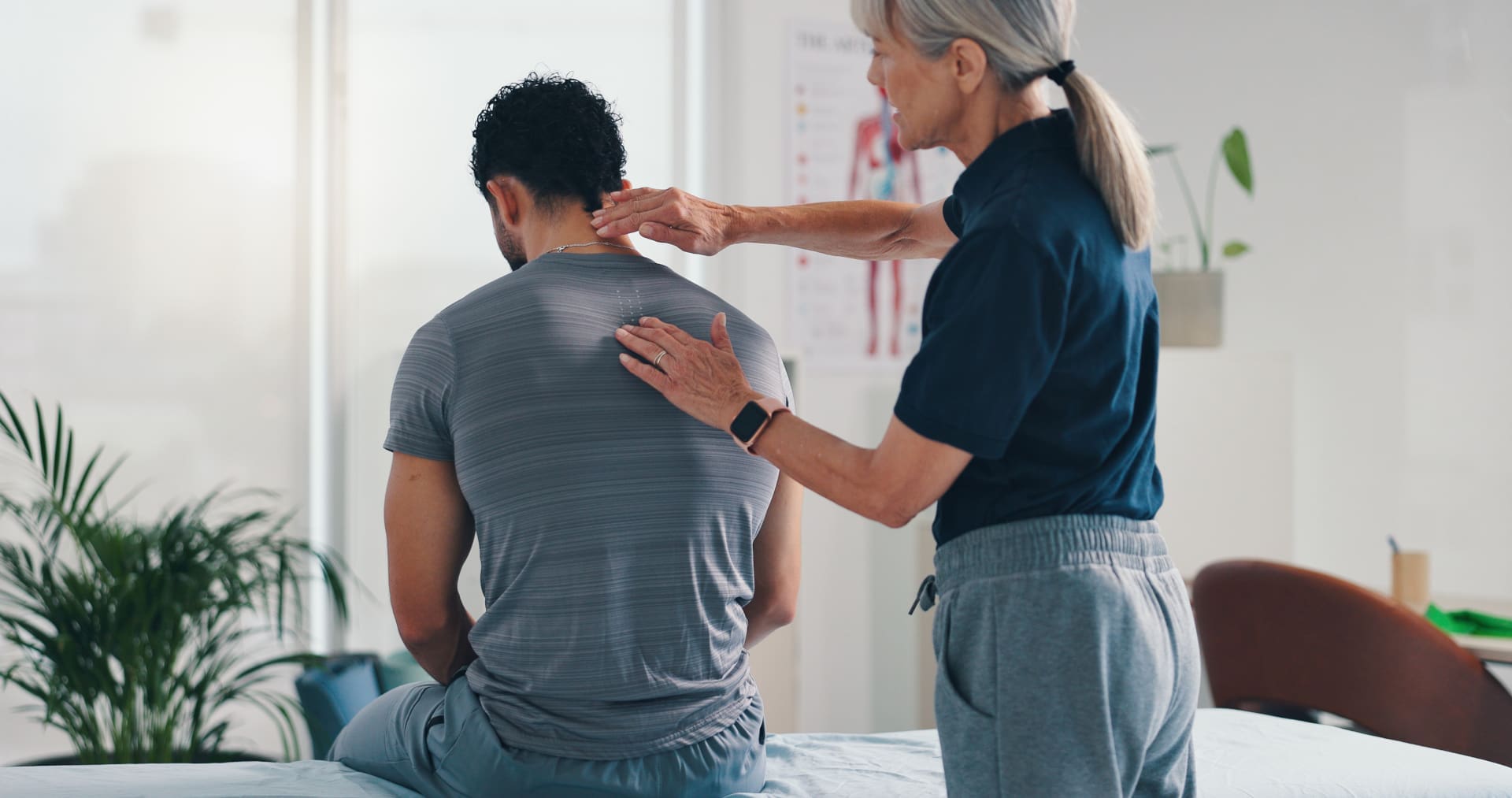
Massage therapy can also have a place within the broader healthcare system. Licensed massage therapists may work alongside or receive referrals from physicians, chiropractors, physical therapists, and other healthcare professionals. They can also work in settings ranging from private practices and massage clinics to hospitals, nursing homes, fitness facilities, and sports medicine environments.
Understanding where massage therapy fits into modern healthcare starts with understanding what massage therapists do, what they do not do, and how their work can complement other forms of care.
Where Does Massage Therapy Fit Into Healthcare?
Massage therapy focuses on the manipulation of the body’s soft tissues using techniques such as touch, compression, kneading, stretching, and other forms of manual therapy.
In Ohio, massage therapy is a licensed profession overseen by the State Medical Board of Ohio. State rules define a massage therapist’s scope of practice and distinguish massage therapy from other forms of healthcare. For example, massage therapists do not diagnose medical conditions, prescribe medications, perform surgery, or practice chiropractic care.
Instead, a massage therapist evaluates whether massage is appropriate for a client and provides care that falls within the profession’s established scope of practice. When a client’s needs fall outside that scope, the massage therapist may refer the individual to an appropriate licensed healthcare professional.

This distinction is important. Massage therapy does not replace medical care. Rather, it can serve as one component of a person’s larger approach to health and wellness.
Massage Therapy as Part of a Broader Care Team
Healthcare is rarely provided by just one type of professional. Depending on a person’s needs, care may involve primary care providers, specialists, nurses, physical therapists, occupational therapists, chiropractors, mental health professionals, fitness professionals, and others.
Massage therapists can occupy their own place within this network.
For example, a person dealing with an injury may receive a diagnosis and treatment plan from a physician and rehabilitation services from a physical therapist. Massage therapy may also be incorporated into the person’s overall care when it is appropriate and within the massage therapist’s scope of practice.
The exact relationship varies by patient, provider, setting, and state regulations. What remains important is communication, professional boundaries, and recognizing when another healthcare professional needs to be involved.
Why Anatomy, Physiology, and Pathology Matter

Working within a healthcare environment requires more than learning massage techniques.
Massage therapists need an understanding of the human body so they can make informed decisions about when and how massage should be performed. That includes recognizing indications and contraindications — situations in which massage may be appropriate as well as situations in which a technique should be modified, postponed, or avoided.
That is one reason anatomy, physiology, and pathology are important parts of professional massage therapy education.
At Schools of Medical Massage (SOMM), the Massage Therapy program includes extensive study of anatomy and physiology, including the muscular, nervous, cardiovascular, lymphatic, respiratory, digestive, urinary, and reproductive systems, along with related pathology.
Students also learn massage theory, body mechanics, safety practices, professional ethics, clinical massage techniques, and the basic therapeutic approaches used within massage therapy.
This foundation helps future massage therapists understand not simply “how” to perform massage, but when massage may or may not be appropriate for an individual client.
The Importance of Scope of Practice
One of the most important concepts for anyone entering a healthcare-related profession is scope of practice.
A scope of practice establishes what a licensed professional is legally permitted to do. It helps protect patients and clients while establishing boundaries between different healthcare professions.
For massage therapists, staying within that scope means understanding that their role is different from that of a physician, physical therapist, chiropractor, or other provider.
For example, Ohio’s scope of practice specifically excludes activities such as prescribing therapeutic exercise for rehabilitation, administering drugs, performing surgery, and practicing chiropractic techniques.
Those boundaries do not make the massage therapist’s role less important. They help define where the profession fits within a larger healthcare system in which different providers bring different types of training and expertise to patient care.
Where Do Massage Therapists Work Within Healthcare?
Massage therapists can work in a surprisingly wide range of environments.
Some operate independent practices or work in massage therapy clinics. Others work in chiropractic offices, wellness centers, fitness facilities, sports medicine environments, nursing homes, hospitals, spas, and other settings. SOMM’s recent article notes that massage therapists may work in private offices and clinics, health clubs and fitness centers, spas, nursing homes and hospitals, and with sports teams and sports medicine facilities.
The massage therapist’s day-to-day responsibilities can look different depending on the setting. A therapist working primarily with athletes may encounter different client needs than someone working in a relaxation-focused practice or alongside other healthcare professionals.
That variety is one reason professional training needs to prepare massage therapists for more than a single work environment.
Communication With Clients and Other Healthcare Professionals
Massage therapy is a hands-on profession, but communication is also an essential professional skill.
Before providing massage, therapists need to gather appropriate information from clients and determine whether massage is advisable. They also need to listen to client concerns, explain what they are doing, respect professional boundaries, maintain confidentiality, and recognize situations that may require referral to another provider.
Communication can become especially important when massage is one part of a broader care plan.
A massage therapist needs to understand both the client’s goals and the limits of the therapist’s own role. When another healthcare professional’s expertise is needed, making an appropriate referral is part of responsible practice.

Professionalism and Ethics in Healthcare Settings
Because massage therapy involves direct physical contact with clients, professional ethics and boundaries are especially important.
Massage therapists need to understand appropriate draping, confidentiality, informed communication, professional boundaries, and ethical decision-making. They also need to create an environment in which clients are treated respectfully and professionally.
These skills become particularly important when massage therapists work alongside other healthcare professionals because they help establish massage therapy as a distinct professional discipline with clearly defined responsibilities.
Preparing Massage Therapists for a Healthcare Role
Someone preparing to become a massage therapist needs both technical skills and an understanding of the professional environment in which those skills will be used.
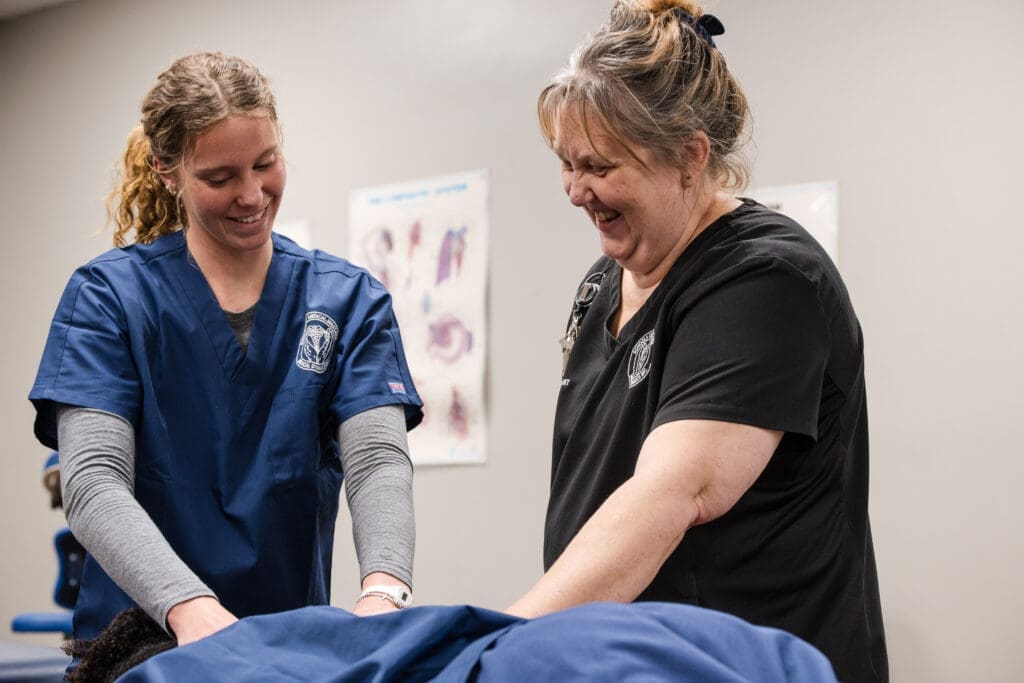
SOMM’s Massage Therapy program combines massage theory and practicum with anatomy and physiology, pathology, ethics, business education, and clinical experience. Students also gain hands-on experience working with members of the public through the student clinic.
That combination helps students develop the knowledge and practical skills needed for entry-level massage therapy practice while learning how their responsibilities relate to those of other healthcare professionals.
Massage Therapy’s Place in Modern Healthcare
Modern healthcare includes many different approaches to helping people manage their health, function, recovery, and overall well-being. Massage therapy can be one part of that larger picture.
A licensed massage therapist is not a replacement for a physician, physical therapist, chiropractor, or other healthcare provider. Instead, massage therapists bring their own specialized knowledge of soft-tissue manipulation and therapeutic touch to the clients they serve.
For prospective students, that broader healthcare role is worth understanding. Becoming a massage therapist isn’t simply about learning a series of massage techniques. It means learning about the human body, developing hands-on clinical skills, understanding professional and ethical responsibilities, and knowing how to work within the boundaries of a licensed healthcare profession.
At Schools of Medical Massage, students receive the classroom education and hands-on training designed to prepare them for entry-level practice as professional massage therapists. The program is offered at SOMM locations in Cincinnati, Cleveland, Columbus, Dayton, and Lima, Ohio.