What Happens After You Graduate Massage Therapy School?
October 21, 2026 | Massage Therapy | Share this Post:Graduating from massage therapy school is an important milestone, but it’s also the beginning of a new chapter. After months of studying anatomy, practicing massage techniques, and gaining hands-on experience, you’re ready to take the next steps toward becoming a working massage therapist.
But what exactly happens after graduation?
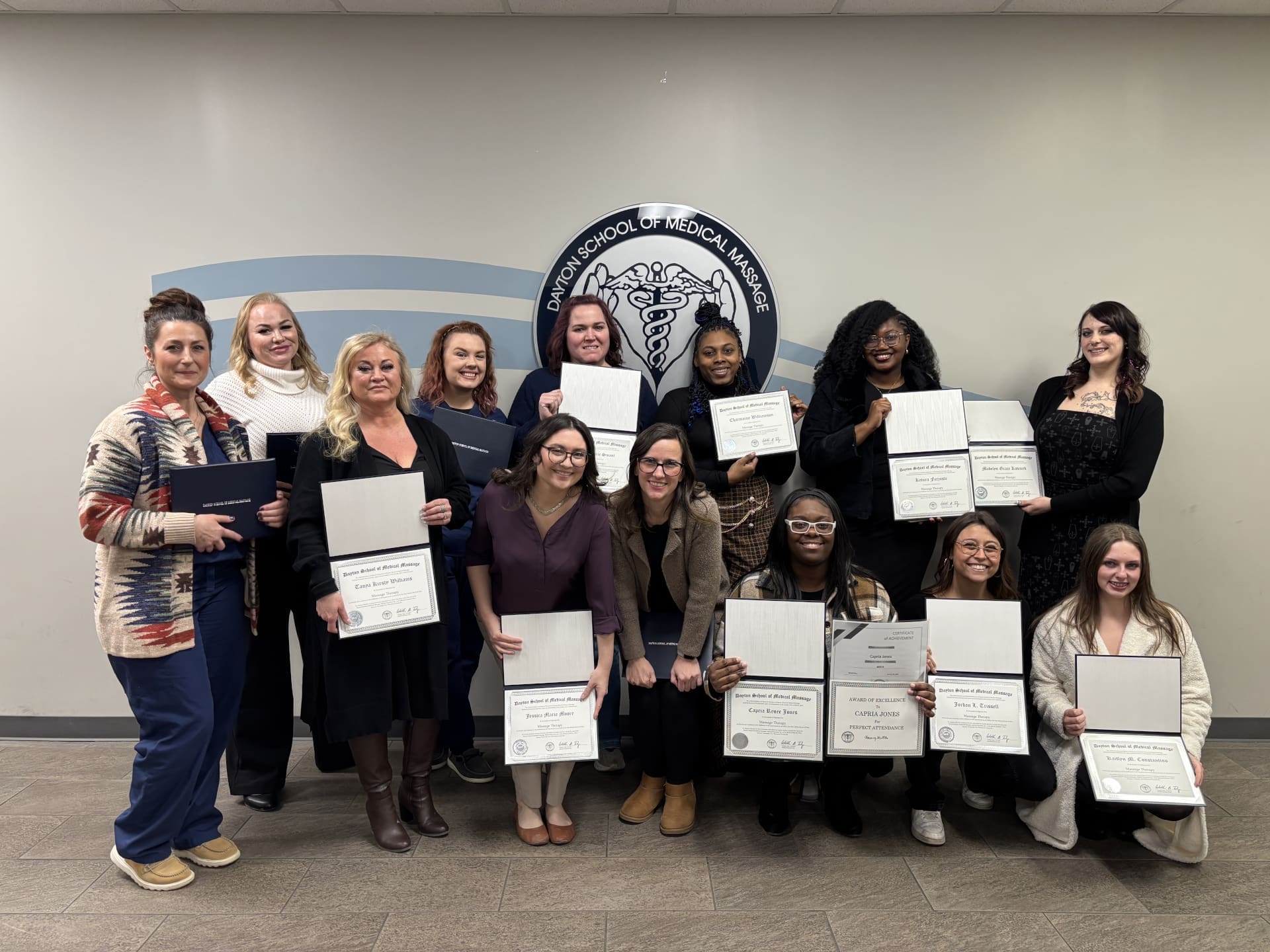
After completing massage therapy school, graduates typically need to obtain their state license, prepare for employment, and begin building professional experience. In Ohio, this includes passing the Massage & Bodywork Licensing Examination (MBLEx), completing the state’s application process, and receiving approval from the State Medical Board of Ohio.
Understanding these steps can help you make a smoother transition from student to licensed massage therapist (LMT).
Step 1: Complete Your Massage Therapy Licensing Requirements
Finishing massage therapy school doesn’t automatically mean you can begin practicing professionally. In Ohio, massage therapists must receive a license from the State Medical Board of Ohio before providing massage therapy services.
Passing the MBLEx
The Massage & Bodywork Licensing Examination (MBLEx) is a standardized examination used by many states, including Ohio, to evaluate the knowledge needed for entry-level massage therapy practice.
The examination covers subjects such as anatomy and physiology, kinesiology, massage techniques, client assessment, ethics, and professional practice.
At Schools of Medical Massage (SOMM), students are required to take the MBLEx as part of their graduation requirements. However, successfully passing the examination is necessary to qualify for Ohio licensure.
Students who have already passed the examination can move forward with the remaining licensing requirements.

Applying for Your Ohio Massage Therapy License
Once you’ve met the educational and examination requirements, the next step is applying for your license.
Ohio’s licensing process includes:
- Completing an approved massage therapy education program.
- Successfully passing the MBLEx.
- Submitting an application through Ohio’s eLicense system.
- Completing required Ohio Bureau of Criminal Investigation (BCI) and FBI background checks.
- Providing the required educational and examination documentation.
- Receiving approval from the State Medical Board of Ohio.
Applicants should review the current requirements directly with the State Medical Board of Ohio before submitting their applications.
Important: Graduating from an approved program and passing the MBLEx do not authorize you to practice independently. You must receive your Ohio massage therapy license before beginning professional practice.
Step 2: Prepare for Your First Massage Therapy Job
Finding your first position as a licensed massage therapist is a process you can begin before graduation. Building a resume, learning about potential employers, and making professional connections while you’re still in school can help you feel more prepared when it’s time to enter the workforce.
At Schools of Medical Massage (SOMM), students have opportunities to begin exploring employment options before completing their training. The school hosts career and hiring fairs where students can connect with potential employers, learn about available positions, and gain a better understanding of what massage therapy businesses look for when hiring.
Taking advantage of these opportunities can help make the transition from student to working professional feel less overwhelming.
Build a Resume That Highlights Your Training
Your first massage therapy resume may look different from one you’d create after several years in the profession. Even without professional massage therapy experience, you can highlight the skills and knowledge developed during your training.

At SOMM, resume preparation is a required part of the curriculum, giving students an opportunity to develop this important job-search tool before graduation.
A resume for a new massage therapy graduate might include:
- Massage therapy education and clinical training
- Hands-on experience working with clients in a student clinic
- Knowledge of anatomy, physiology, and massage techniques
- Client communication and professional ethics
- Relevant certifications and licensing status
When applying for positions, tailor your resume to the employer and emphasize the skills most relevant to the role.
Start Exploring Employment Opportunities
You don’t necessarily have to wait until graduation to begin researching potential employers. Career fairs, conversations with instructors, and connections made during clinical training can all help you learn about opportunities in your area.
You can also research massage therapy businesses, wellness centers, chiropractic offices, and other employers to understand their services and work environments.
For a closer look at potential work environments, read our guide to Where Massage Therapists Work.
Is It Better to Work for a Massage Business or Start Your Own Practice?
For many newly licensed massage therapists, working for an established business can be a practical way to begin their careers. An existing employer may provide access to clients, equipment, scheduling systems, and experienced colleagues who can offer guidance.
Working in an established setting also gives new therapists an opportunity to focus on developing their techniques, improving client communication, and gaining confidence without immediately taking on the responsibilities of running a business.
Starting an independent practice is another possible career path, but it comes with additional responsibilities, including marketing, scheduling, managing expenses, and building a client base.
New graduates may find that gaining experience with an established employer first helps them develop the professional skills and business knowledge needed to make informed decisions about their long-term careers.
Step 3: Know What to Look for in Your First Massage Therapy Position
Your first job can influence how you develop professionally, so it’s worth evaluating opportunities carefully.
Salary and location are important, but they shouldn’t be your only considerations.
When speaking with potential employers, ask questions such as:
What does a typical workday look like?
Find out how many massage appointments therapists typically complete, how much time is scheduled between clients, and whether there are additional responsibilities.
Will I be an employee or an independent contractor?
This distinction affects how you’re paid, how taxes are handled, and which business expenses may be your responsibility.
How is compensation structured?
Massage therapists may receive hourly wages, commissions, or other forms of compensation. Ask how appointment cancellations, tips, and time between clients are handled.
Will I receive additional training or mentorship?
Some employers offer opportunities to learn from experienced therapists or receive training in techniques used by the practice.

What supplies and equipment are provided?
Ask whether the employer supplies massage tables, linens, lotions, and other materials or expects therapists to provide their own.
Understanding these details can help you compare opportunities and make an informed decision about your first position.
Step 4: Adjust to Working With Clients Independently
One of the biggest changes after massage therapy school is moving from supervised training to professional practice.
During school, instructors provide guidance, observe techniques, and help students develop confidence. Once you’re licensed and working, you’ll have greater responsibility for managing appointments and making decisions within your professional scope of practice.
Your first several months may involve learning how to:
- Conduct client consultations efficiently
- Adapt massage techniques to individual client needs
- Maintain accurate client records
- Communicate clearly about treatment goals and expectations
- Recognize when massage may not be appropriate
- Manage your schedule and maintain professional boundaries
These responsibilities become more familiar with experience.
Continue Practicing Good Body Mechanics
Massage therapy is physically demanding, particularly when performing several sessions throughout the day.
Proper body mechanics help therapists work efficiently while reducing unnecessary physical strain. Pay attention to your posture, table height, and the way you use your body during massage sessions.
It’s also important to develop a realistic workload. New therapists may be eager to accept as many appointments as possible, but building a sustainable schedule can help support a longer career.
Step 5: Begin Building Your Professional Reputation
Your technical abilities are important, but developing a successful massage therapy career also involves establishing trust with clients and colleagues.
Professionalism, communication, and consistency all contribute to how clients experience your services.
Focus on the Client Experience
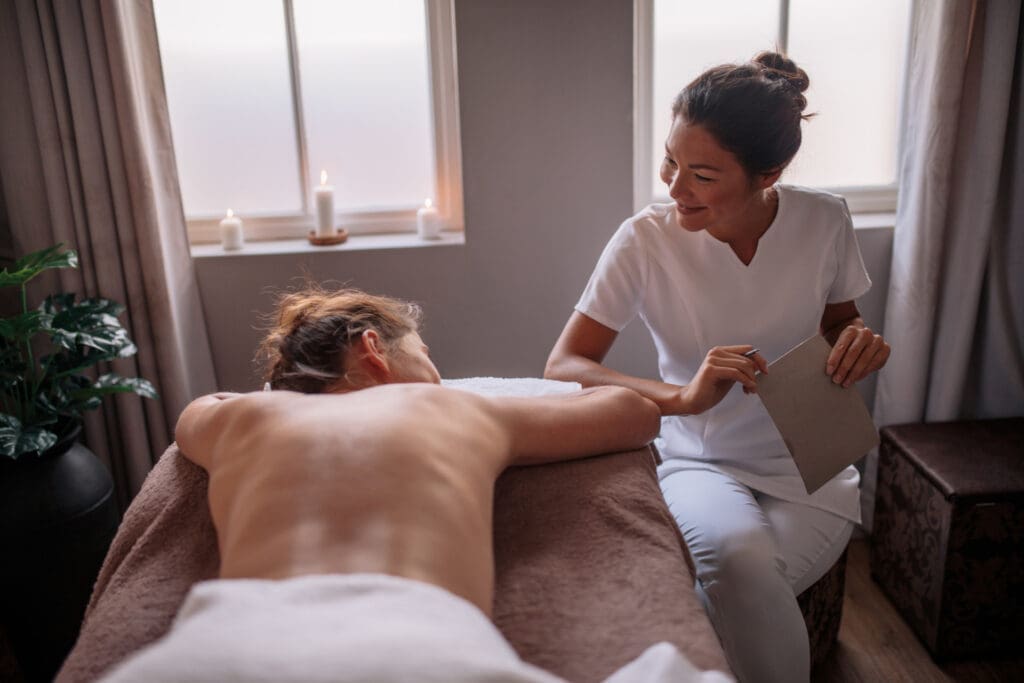
Clients should feel comfortable asking questions, discussing concerns, and communicating their preferences. Taking time to listen and explain your approach can help establish trust.
Professional habits such as arriving prepared, respecting appointment times, maintaining confidentiality, and following appropriate sanitation procedures also contribute to a positive experience.
Build Professional Relationships
Connecting with other massage therapists and healthcare professionals can provide opportunities to learn and grow.
Experienced therapists may offer advice about working with different clients, developing techniques, or navigating challenges that arise early in your career.
Professional associations and industry events can also provide networking and educational opportunities.
Ask for Feedback
Constructive feedback can help you recognize your strengths and identify areas for improvement.
Whether feedback comes from clients, supervisors, or experienced colleagues, approach it as an opportunity to develop professionally.
You don’t need to master every technique or situation immediately. Becoming a confident massage therapist is an ongoing process.
Step 6: Consider Your Long-Term Career Goals
Your first massage therapy job doesn’t have to define your entire career.
As you gain experience, you may discover particular techniques, client populations, or professional environments that interest you.
Some massage therapists pursue additional training in specialized techniques. Others eventually move into supervisory positions, teaching, or independent practice.
You may also decide that working for an established employer is the right long-term fit.
Do You Need Additional Certifications?
Additional certifications are not necessarily required to begin working as a licensed massage therapist in Ohio.
However, specialized training may help you develop new skills or expand the types of services you can provide within your legal scope of practice.
Before investing in additional education, consider whether it supports your professional interests and whether the training is appropriate for your level of experience.
It’s also important to distinguish between optional professional certifications and the state license required to practice.
Frequently Asked Questions About Life After Massage Therapy School
Not necessarily. In Ohio, graduates must meet the state’s licensing requirements and receive their massage therapy license before practicing professionally. Completing school alone does not authorize someone to provide professional massage therapy services.
You must pass the MBLEx to qualify for massage therapy licensure in Ohio. However, some schools, including SOMM, require students to take the examination before graduation. Students who pass before graduating do not need to retake it simply because they’ve completed their program.
Yes. You can research employers, submit applications, and participate in interviews while completing the licensing process. However, you cannot begin practicing massage therapy professionally in Ohio until your license has been issued.
Both options have advantages. Working for an established business may provide access to an existing client base, equipment, and experienced colleagues. Independent practice offers greater control over business decisions but also involves responsibilities such as marketing, scheduling, and managing expenses.
The best choice depends on your experience, financial situation, and professional goals.
New massage therapists should focus on strengthening their practical skills, developing client communication, maintaining professional standards, and establishing sustainable work habits. Building experience and learning from other professionals can provide a foundation for future career development.
Your Massage Therapy Career Starts With the Next Step
Graduating from massage therapy school represents the completion of your formal training, but professional development continues throughout your career.
From obtaining your license and finding your first position to building client relationships and exploring future opportunities, each step contributes to your growth as a massage therapist.
At Schools of Medical Massage, our goal is to help students develop the knowledge, practical skills, and professional foundation needed to pursue massage therapy careers.
If you’re considering entering the field, explore our Massage Therapy Program to learn more about the education and hands-on training available at our Ohio campuses.