Why Massage Therapy Can Be an Alternative to a Four-Year Degree
August 5, 2026 | Massage Therapy | Share this Post:A four-year college degree can be a valuable step toward many careers, but it is not the only form of education that can lead to professional work. Some students prefer a shorter, career-focused training program that allows them to develop a specific set of skills and pursue licensure without completing a bachelor’s degree.
Massage therapy is one option for people interested in a hands-on role within the broader healthcare and wellness field. In Ohio, becoming a Licensed Massage Therapist requires specialized education, successful completion of the Massage & Bodywork Licensing Examination (MBLEx), and approval from the State Medical Board of Ohio. It does not require a four-year degree.
For recent high school graduates and adults considering a career change, understanding the differences between these educational paths can make it easier to decide which one fits their goals.
A Four-Year Degree Is Not the Only Educational Path
Bachelor’s degree programs usually include a combination of courses within a student’s major and broader general education requirements. This structure can provide a wide academic foundation and is required for many professional careers.
However, not every occupation requires that type of education. Career-focused programs are designed to prepare students for a particular field, trade, certification, or professional license. Instead of spending several years exploring multiple subjects, students concentrate primarily on the knowledge and practical skills connected to their chosen occupation.
The better path depends on the individual. A student interested in becoming a physician, physical therapist, teacher, or engineer will need a college degree and, in some cases, graduate education. Someone interested in massage therapy can follow a more direct training and licensing process.
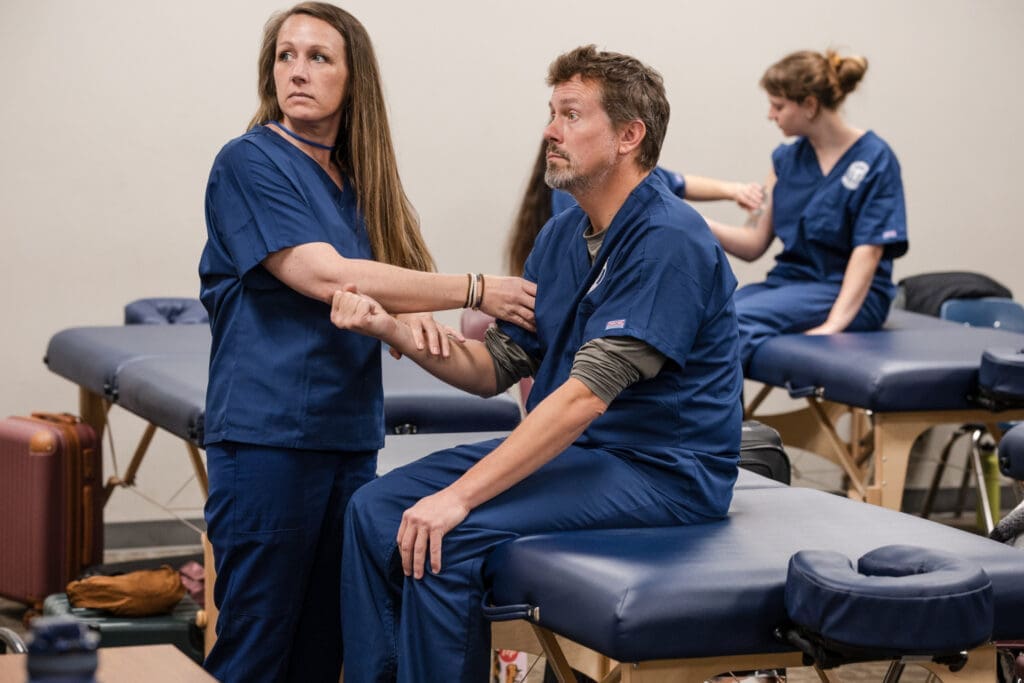
What Massage Therapy Training Involves
Professional massage therapy requires more than learning a series of massage techniques. Students must understand how the body works, how to interact appropriately with clients, and when massage may or may not be advisable.
The massage therapy program at Schools of Medical Massage includes coursework and practical training in areas such as:
- Anatomy and physiology
- Pathology and contraindications
- Massage theory and techniques
- Body mechanics and client positioning
- Hygiene and infection control
- Ethics and professional boundaries
- Basic business practices
- Clinical practicum
Students also complete CPR training and work with members of the public in a supervised student clinic. This combination of classroom instruction and hands-on practice helps students connect their knowledge of the body with the techniques they are learning.
SOMM’s program is delivered in person and awards a diploma upon successful completion of all program requirements.
A More Focused Training Timeline
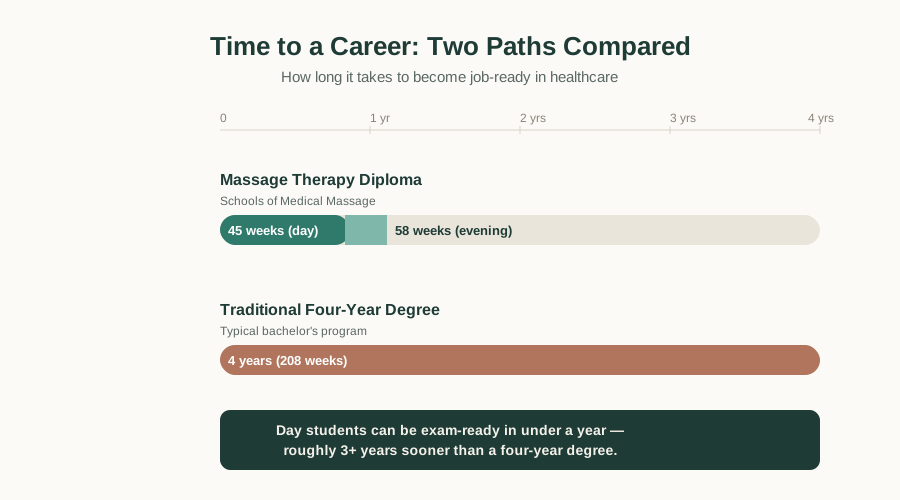
One of the main differences between massage therapy school and a four-year degree is the amount of time required to complete the program.
At SOMM, students enrolled in day classes typically complete the massage therapy program in approximately 45 weeks. Evening students typically complete it in approximately 58 weeks. The evening schedule may be useful for adults who need to continue working or managing family responsibilities while attending school.
Completing the educational program is an important step, but graduation does not automatically make someone a Licensed Massage Therapist. Graduates must also pass the MBLEx and complete the application requirements established by the State Medical Board of Ohio.
This distinction is important when comparing educational options. Massage therapy offers a shorter route than a bachelor’s degree, but students must still meet academic, clinical, examination, and licensing requirements.
Understanding Accreditation and Licensure
Prospective students should carefully examine the approval and accreditation status of any massage therapy school they are considering.
The Dayton School of Medical Massage and its branch campuses are accredited by the Accrediting Commission of Career Schools and Colleges. The massage therapy program is also approved by the State Medical Board of Ohio, and the schools are licensed by the Ohio State Board of Career Colleges and Schools.
Accreditation, program approval, graduation, examination, and licensure are related, but they are not interchangeable:
- Accreditation applies to the school and its educational standards.
- Program approval allows the school to provide education that meets Ohio’s massage therapy requirements.
- Graduation means the student has successfully completed the school’s program.
- Passing the MBLEx satisfies an examination requirement for licensure.
- Licensure gives an individual legal authorization to practice massage therapy in Ohio.
Students who may eventually move to another state should research that state’s requirements. Massage therapy laws and licensing standards vary, and education completed in Ohio may not automatically meet every requirement elsewhere.
Comparing the Cost of Different Educational Paths
A shorter program may have a lower overall cost than spending four years at a college or university, but students should avoid making decisions based on program length alone.

Before enrolling, prospective students should review:
- Tuition and school fees
- Books, supplies, and equipment
- Licensing and examination fees
- Transportation expenses
- The amount they may need to borrow
- Financial aid for which they may qualify
- Their ability to work while attending classes
The least expensive program is not always the best option, and a shorter program is not automatically affordable for every student. Comparing the full cost of attendance and understanding any loan obligations can help students make a more informed decision.
A Career Built Around Practical Skills
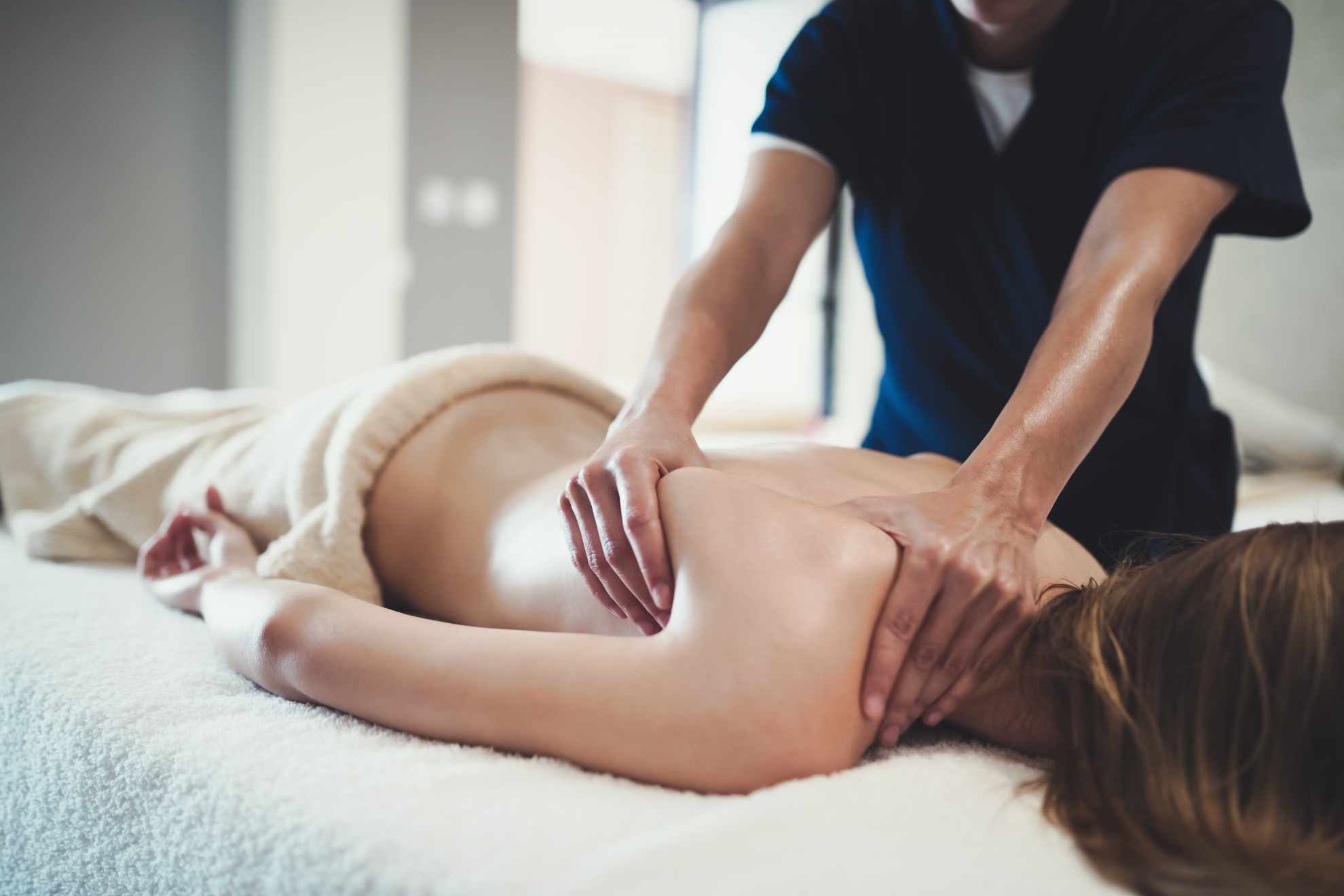
Massage therapy may appeal to people who prefer active, hands-on work over spending most of the day at a desk. Massage therapists use their knowledge of anatomy, movement, body mechanics, communication, and massage techniques during client sessions.
The work also requires professionalism and personal responsibility. Massage therapists must maintain appropriate boundaries, protect client privacy, keep accurate records, follow sanitation practices, and recognize conditions that should be referred to another healthcare professional.
The career can also be physically demanding. Therapists may spend long periods standing, use repetitive movements, and work closely with clients throughout the day. Learning proper body mechanics and maintaining personal health are important parts of preparing for the profession.
Where Licensed Massage Therapists May Work
Licensed Massage Therapists can work in several types of environments, including:
- Massage therapy offices
- Spas and wellness centers
- Massage chains
- Chiropractic offices
- Fitness facilities
- Sports and rehabilitation settings
- Medical or multidisciplinary practices
- Private practices
Some therapists are employees, while others work as independent contractors or operate their own businesses. Work schedules, responsibilities, compensation, and client volume can vary considerably by setting and location.
Education and licensure provide entry into the profession, but they do not guarantee a particular job, salary, schedule, or level of business success. Prospective students should research employment conditions in their area and consider what type of work environment they would prefer.
Who Might Consider This Educational Path?
Massage therapy school may be worth exploring for someone who:
- Wants to enter a licensed profession without earning a four-year degree
- Enjoys learning about anatomy, movement, health, and wellness
- Prefers practical instruction and hands-on learning
- Is comfortable working directly with clients
- Can meet the physical demands of massage therapy
- Values professional ethics, communication, and personal boundaries
- Wants a focused educational program with clearly defined licensing steps

It may be less suitable for someone who is uncomfortable with close physical contact, prefers primarily computer-based work, or is unable to perform the physical tasks associated with massage.
Questions to Ask Before Choosing a Program
Anyone comparing healthcare careers without a four-year degree should look beyond advertising claims and ask detailed questions about the education being offered.
Useful questions include:
- Is the school accredited and properly licensed?
- Is the program approved by the state licensing authority?
- What subjects and techniques are included?
- How much supervised clinical experience will I receive?
- What are the graduation and attendance requirements?
- What additional expenses should I expect?
- What steps are required after graduation?
- Will the education meet the requirements of the state where I plan to work?
Speaking with school representatives, reviewing the catalog, visiting the campus, and researching state licensing rules can provide a clearer understanding of what the path involves.
The Takeaway
A four-year degree remains the right choice for many students and professions. For others, a shorter career-training program may better match their goals, learning preferences, financial circumstances, and desired timeline.
Massage therapy offers a focused route into a licensed, hands-on profession. Students can study anatomy, massage techniques, ethics, business practices, and client care without completing a bachelor’s degree. However, the path still requires serious study, practical training, successful completion of the MBLEx, and state approval for licensure.
Prospective students should compare their options carefully rather than assuming that one educational path is best for everyone. Those interested in massage therapy can review SOMM’s program requirements, schedules, and campus information to determine whether the training aligns with their career plans.