Common Myths About Massage Therapy Careers
September 16, 2026 | Massage Therapy | Share this Post:Massage therapy is a familiar service, but the career behind it is often misunderstood. Someone who has only experienced massage at a spa or while on vacation may have a very different picture of the profession than someone who has worked with a licensed massage therapist in a healthcare, rehabilitation, or sports setting.
Those misconceptions can make it difficult to decide whether massage therapy is a career worth exploring. Is it mostly spa work? Do you need to be exceptionally strong? Do all massage therapists have to start their own businesses?
The reality is that massage therapy is a skilled profession that combines knowledge of the human body, hands-on techniques, communication, ethics, and professional judgment. Here are some of the most common myths about massage therapy careers — and what prospective students should know instead.
Myth #1: Massage Therapy Is Just About Relaxation
Relaxation is certainly one reason people receive massage, but it is only one part of the profession.
Massage therapists can use different techniques depending on a client’s needs and the setting in which they work. Some clients may want help relaxing or managing everyday muscle tension. Others may receive massage as part of their approach to exercise recovery, mobility, or general wellness.
Massage therapy can also be found in settings beyond traditional spas, including massage clinics, fitness facilities, sports medicine environments, healthcare facilities, and private practices.
A massage therapist’s role is not simply to provide a relaxing experience. It involves assessing whether massage is appropriate, selecting suitable techniques, communicating with clients, and understanding when massage should or should not be performed.
Myth #2: You Don’t Need Much Training to Become a Massage Therapist
Because massage is hands-on, people sometimes assume that becoming a massage therapist mostly involves learning a collection of techniques.
Professional training goes considerably deeper.
Students in massage therapy programs study subjects such as anatomy and physiology, pathology, massage theory and technique, body mechanics, ethics, hygiene, client communication, and business practices. Hands-on practice allows students to apply what they learn in the classroom while developing proper technique.
Training also teaches students about indications and contraindications — circumstances in which massage may be appropriate, should be modified, or should not be performed.

In Ohio, massage therapy is a licensed profession. Candidates must meet the state’s education and examination requirements before they can practice as Licensed Massage Therapists.
Myth #3: Massage Therapists Need to Be Extremely Strong
Massage therapy is physical work, but successful massage is not simply about applying as much force as possible.
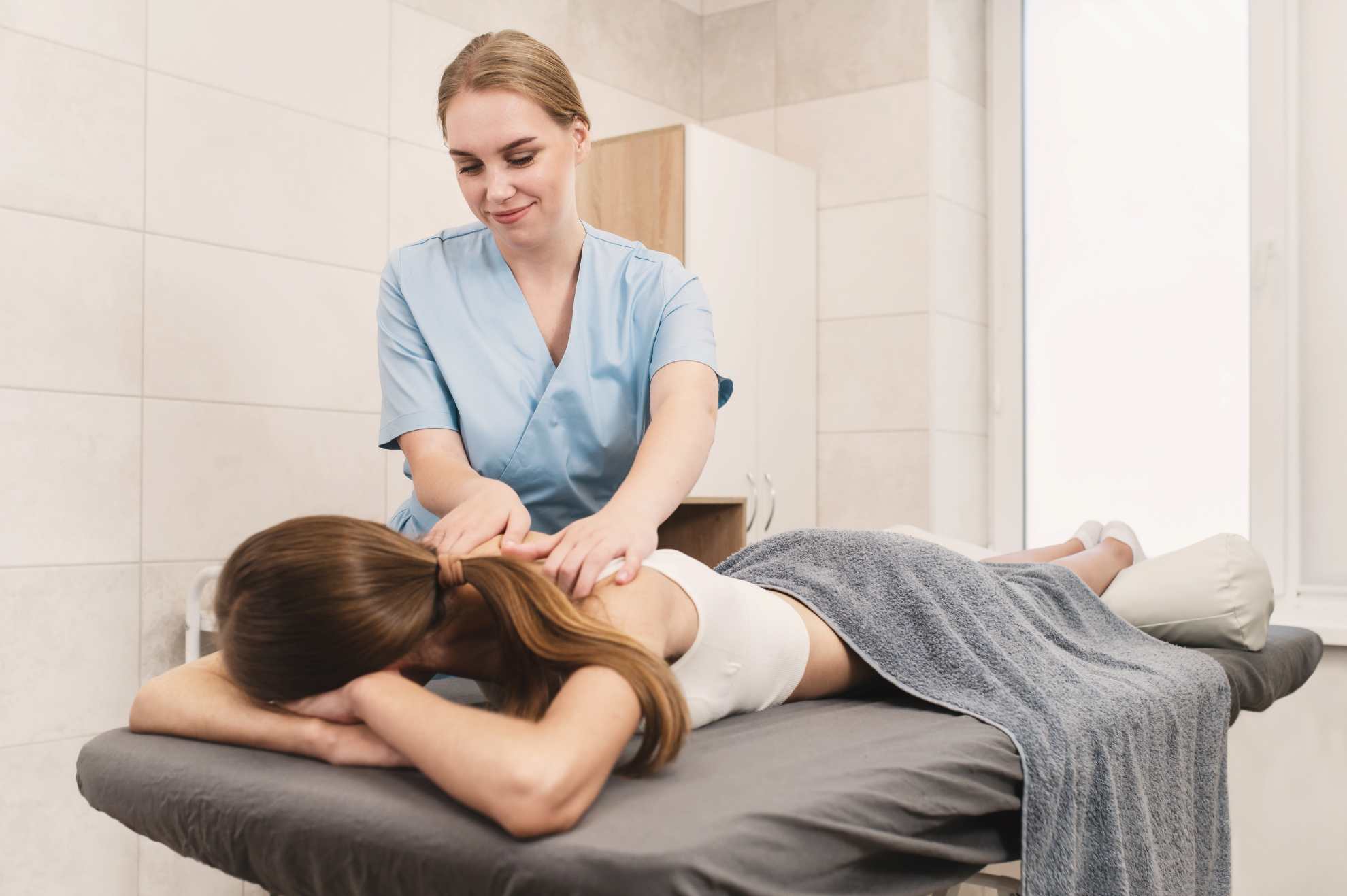
Technique and body mechanics are much more important than raw strength. Massage therapists learn how to position their bodies, use leverage, adjust pressure, and work efficiently. Depending on the technique, therapists may use their hands, fingers, forearms, or other appropriate methods to provide pressure without relying entirely on muscle strength.
Proper body mechanics also matter for the therapist’s own well-being. Learning how to work efficiently can help reduce unnecessary strain over the course of a working day.
That means a person does not need to look like a weightlifter to consider massage therapy. Good technique, awareness, coordination, and the ability to perform the physical responsibilities of the job are more important.
Myth #4: Massage Therapists Only Work in Spas
Spas are one possible workplace, but they represent only part of the massage therapy industry.

Licensed massage therapists may find opportunities in:
- Massage therapy clinics
- Chiropractic or other healthcare-related offices
- Fitness centers and health clubs
- Spas and resorts
- Sports and athletic environments
- Wellness businesses
- Private massage practices
- Group practices
- Mobile massage businesses
Different settings can also create very different work experiences. A therapist working in a spa may have different clients, schedules, and responsibilities from someone working in a clinic or operating an independent practice.
For someone considering a massage therapy career, it is worth looking at the profession as a whole rather than assuming one type of workplace defines it.
Myth #5: You Have to Start Your Own Business
Entrepreneurship is one path available to massage therapists, but it is not the only one.
Some massage therapists build private practices and work directly with their own clients. Others work as employees or independent contractors for existing businesses. Some begin their careers working for another organization and later decide whether self-employment is right for them.
Operating a private practice also involves much more than providing massages. Therapists may need to handle scheduling, marketing, bookkeeping, client records, supplies, taxes, and other business responsibilities.
Someone who enjoys that independence may find private practice appealing. Someone who would rather focus primarily on providing massage may prefer working for an established employer.
Myth #6: Massage Therapy Isn’t a Serious Healthcare-Related Profession
Massage therapy is sometimes viewed only as a luxury service, but licensed massage therapists need substantial knowledge about the human body and the safe application of massage techniques.
In Ohio, massage therapy is regulated by the State Medical Board of Ohio. Licensed massage therapists have a defined scope of practice and must understand the boundaries of that scope.
For example, a massage therapist does not diagnose a client’s medical condition. Instead, therapists evaluate whether massage is advisable within their scope of practice and should recognize situations in which a client may need to be referred to another healthcare professional.

Understanding those limits is part of professional practice. Knowing when not to perform massage can be just as important as knowing which technique to use.
Myth #7: All Massage Therapists Do Basically the Same Thing
There is no single massage therapy career path.
Therapists can develop different interests as they gain education and experience. One therapist may prefer relaxation-focused massage, while another may enjoy working with athletes or clients experiencing muscle tension and limited mobility. Others may be drawn to medical or wellness environments.
Work settings, client populations, techniques, schedules, and business models can all vary.
Initial massage therapy training provides a foundation that therapists can continue building on throughout their careers. As with many professions, continuing education and experience can help therapists expand their skills and identify the type of work that best matches their interests.
Myth #8: Massage Therapy Is Easy Work
Massage can be rewarding, but that does not mean the work is effortless.

Therapists may spend much of their workday standing and performing repetitive physical movements. They also need to maintain concentration while paying attention to client comfort, pressure, positioning, communication, and professional boundaries.
There are mental and interpersonal demands as well. Massage therapists work closely with people, often in one-on-one settings. Professionalism, communication skills, confidentiality, empathy, and respect for boundaries are important parts of the job.
This is one reason massage therapy education involves more than learning physical techniques. Students also need preparation for the professional responsibilities that come with working directly with clients.
Myth #9: Massage Therapy School Is Mostly Hands-On Practice
Hands-on training is an important part of massage therapy education, but students should expect classroom learning too.
Understanding anatomy and physiology provides the foundation for recognizing muscles, joints, body systems, and how different parts of the body relate to one another. Students also study pathology so they can better understand conditions that may affect whether massage is appropriate.
At Schools of Medical Massage, training combines massage theory and practicum with anatomy and physiology, clinical experience, ethics, business concepts, and other professional skills.
For students who enjoy learning by doing but also have an interest in understanding how the human body works, that combination can be one of the appealing parts of massage therapy school.
Look Beyond the Myths When Considering a Massage Therapy Career
Like any profession, massage therapy has advantages, challenges, and responsibilities that are difficult to understand from the outside.
It isn’t limited to spas. It isn’t simply about having strong hands. And becoming a professional massage therapist requires considerably more preparation than learning a few massage techniques.
Instead, massage therapy combines knowledge of anatomy and physiology, hands-on skill, communication, ethical practice, and client care. It can also lead to work in a variety of environments and allow therapists to develop a career path that reflects their interests.
If you’re asking whether massage therapy might be right for you, learning what the profession actually involves is a good place to start. Exploring the training requirements, work environments, and day-to-day responsibilities of licensed massage therapists can help you make a more informed decision about your next step.